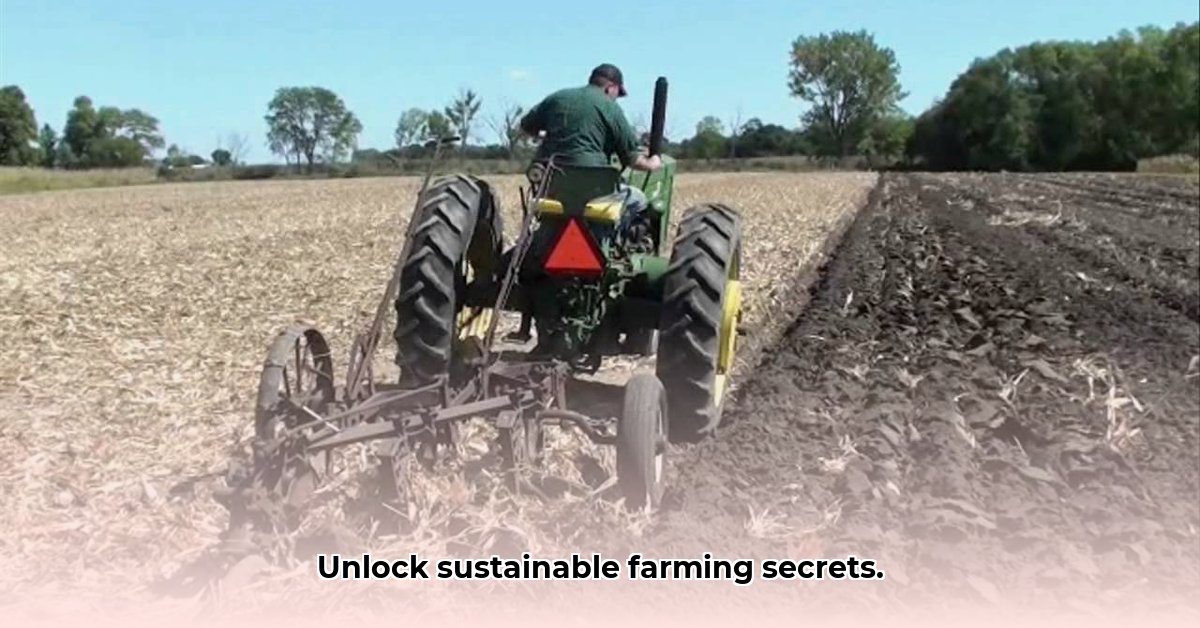
Plowing Tractor Techniques for Sustainable Farming: A Modern Approach
Farming is evolving, and even fundamental practices like plowing are undergoing a transformation. This article explores modern plowing techniques, emphasizing efficient harvesting while minimizing environmental impact. We'll compare traditional and contemporary methods, highlighting why proper technique is crucial for sustainable agriculture. Learn how to optimize tractor performance, discover sustainable practices, and understand the economic and environmental considerations involved in modern plowing. This guide benefits both experienced farmers and newcomers to the field. For more detailed instructions, check out this helpful guide on tractor plowing techniques.
A Look Back: From Horse-Drawn Plows to High-Tech Marvels
For centuries, agriculture relied on animal power for plowing, a labor-intensive process. The tractor revolutionized farming, initially with basic models, but today’s tractors boast GPS guidance, automated depth control, and other features enhancing efficiency and environmental responsibility. This technological advancement has dramatically reduced fuel consumption and soil disruption.
Selecting the Right Plowing Tractor
Choosing a tractor involves considering farm size, soil type, and budget. Smaller farms benefit from maneuverable tractors, while heavier-duty machines are better suited for challenging soil conditions (like heavy clay). While brand-new tractors offer advanced features, a well-maintained used tractor can be a cost-effective alternative. Thorough research, including reading reviews and consulting experienced farmers, is crucial for making an informed decision. Don't forget to factor in maintenance costs!
Mastering Modern Plowing Techniques: Beyond Tractor Operation
Efficient plowing demands more than just driving a tractor. It's a skill refined through practice and understanding. Here's a step-by-step guide:
- Field Preparation: Begin by clearing your field of rocks, debris, and any obstructions that could damage the plow or impede the process. This preventive step ensures a smooth and safe operation.
- Plow Setup: Precisely adjusting the plow's depth and width is critical. Soil type and the intended crop dictate these settings. Different crops and soil conditions require specific adjustments for optimal results.
- Consistent Speed: Maintain a steady pace. Erratic movements compact the soil, resulting in an uneven finish. Controlled passes are essential for efficient and uniform plowing.
- Overlapping Passes: Slightly overlap each pass to ensure complete field coverage. This prevents missed areas and guarantees uniform plowing for consistent crop growth.
- Soil Monitoring: Continuously check soil moisture levels. Plowing in excessively wet or dry conditions can lead to problems. Plowing when the soil has optimal moisture content is essential for successful results.
Sustainable Plowing: Balancing Needs and Environmental Responsibility
Sustainable agriculture minimizes environmental impact. No-till farming, avoiding plowing altogether, is gaining popularity for its benefits in soil preservation. However, conventional plowing remains relevant, especially for compacted soil or extensive weed control. The optimal approach often entails a balanced strategy, adapting techniques based on specific circumstances.
Weighing the Pros and Cons: A Balanced Perspective
Modern plowing presents both advantages and disadvantages:
| Feature | Advantages | Disadvantages |
|---|---|---|
| Soil Preparation | Creates ideal seedbeds, improves drainage, and incorporates organic matter. | Can cause soil erosion, compaction, and structural damage. |
| Weed Control | Effectively buries weeds, reducing competition with crops. | Might increase weed seed germination under specific conditions. |
| Efficiency | Modern tractors are faster and more fuel-efficient, saving time and money. | High initial investment for tractor purchase. |
| Sustainability | Optimized techniques minimize fuel use and soil disturbance. | Potential negative environmental impacts if not practiced sustainably. |
The Future of Plowing: Ongoing Research and Advancements
Research continues to explore the long-term effects of different plowing methods on soil health. Advancements in precision agriculture, such as variable-rate plowing adapting to changing soil conditions, aim to enhance efficiency and reduce environmental impact. The future of plowing involves smarter, more sustainable practices, balancing productivity with environmental stewardship.
Optimizing Moldboard Plowing for Sustainable Agriculture
Key Takeaways:
- Moldboard plowing offers short-term advantages but can negatively impact long-term soil health.
- Successful moldboard plowing requires understanding soil, climate, and farming goals.
- Balancing immediate needs with long-term soil health is crucial for sustainable practices.
- Exploring alternatives like no-till farming is recommended.
Moldboard plowing, a traditional method, deeply tills the soil, burying residue and improving drainage. However, its long-term sustainability is debated. While offering benefits such as improved drainage and weed control, these advantages may compromise long-term soil health. Continuous, intensive moldboard plowing can harm the soil microbiome, reduce organic matter, and increase erosion.
Optimizing Moldboard Plowing: A Step-by-Step Guide
Optimizing moldboard plowing involves a thoughtful approach that considers several critical factors:
- Thorough Soil Assessment: Analyze your soil type, structure, and drainage before plowing. Soil characteristics influence the suitability of moldboard plowing and require tailored techniques.
- Climate Considerations: Rainfall and temperature patterns significantly impact soil response to plowing. Adjust plowing practices to suit your region’s climate.
- Strategic Residue Management: Manage crop residue effectively, potentially leaving some on the surface for soil protection. Improper residue management can negate the benefits of careful plowing.
- Appropriate Plowing Depth and Timing: Avoid excessive plowing depth, which damages soil structure and reduces organic matter. Time plowing based on optimal soil moisture conditions..
- Implementing Crop Rotation: Integrate diverse crops to enhance soil health and improve the long-term benefits of moldboard plowing.
- Continuous Monitoring and Adaptation: Monitor soil health using indicators like organic matter content and water infiltration, adapting your methods as needed. Flexibility is key to long-term soil health and yield.
Exploring Alternatives and Complementary Practices
While optimized moldboard plowing can mitigate negative impacts, consider reduced tillage or no-till alternatives. These methods preserve soil structure, improve water retention and organic matter, and reduce erosion.
Consider these complementary practices:
- Cover Cropping: Planting cover crops during fallow periods protects the soil, replenishes nutrients, and improves water infiltration.
- Contour Plowing: Plowing along land contours minimizes erosion.
- Crop Diversification: Rotating different crops prevents pest buildup and enhances soil health.
A balanced approach, combining optimized moldboard plowing with sustainable alternatives and practices, safeguards the long-term health of your soil and ensures sustainable farming practices. Remember, continuous learning and adaptation are key to successful and sustainable agriculture.